
The international furniture trade has witnessed remarkable growth in demand for Indonesian teak indoor furniture, establishing the archipelago nation as a premier source for quality wooden furnishings. Export statistics demonstrate consistent year-over-year increases in shipment volumes to major consuming markets, reflecting both the superior quality of Indonesian products and the strategic advantages of partnering with manufacturers from this region. For B2B buyers evaluating supplier options, understanding the factors behind this market dominance provides valuable insights for sourcing decisions.
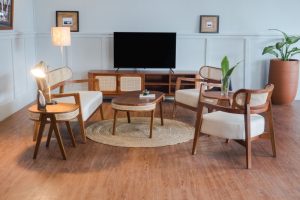
Geographic and climatic conditions in Indonesia create optimal environments for teak cultivation, producing timber with exceptional grain patterns and structural integrity. Teak wood indoor furniture manufactured from Indonesian raw materials exhibits the dense, stable characteristics prized by discerning buyers. The country’s extensive plantation infrastructure, developed over decades of investment, ensures reliable supply continuity even during periods of heightened global demand. This supply chain stability represents a critical consideration for B2B clients requiring consistent product availability to fulfill contractual obligations with their downstream customers.
The manufacturing ecosystem supporting teak indoor furniture production in Indonesia encompasses diverse operational scales, from artisan workshops to industrialized factory complexes. This range enables B2B buyers to identify partners whose production capacities and quality management systems align with specific business requirements. Smaller manufacturers often excel in handcrafted detailing and custom design execution, while larger operations offer economies of scale for standardized product lines. Many successful importers maintain relationships across both categories, leveraging each for appropriate order types and market segments.
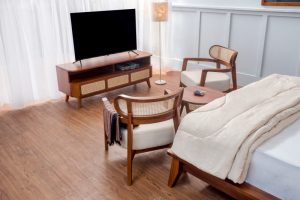
Labor expertise within the Indonesian teak indoor furniture industry reflects centuries of woodworking tradition passed through generations of craftsmen. Apprenticeship systems continue operating alongside formal vocational training programs, producing skilled workers capable of executing intricate joinery techniques and sophisticated finishing processes. This human capital investment translates directly into product quality that distinguishes Indonesian teak wood indoor furniture from competitors manufactured in regions with less developed woodworking traditions. For B2B buyers targeting premium market segments, this craftsmanship heritage provides compelling marketing narratives alongside tangible quality advantages.
Regulatory frameworks governing Indonesian teak indoor furniture exports have matured significantly, providing assurance mechanisms valued by international buyers. The timber legality verification system tracks wood from forest to finished product, documenting chain of custody and ensuring compliance with both domestic regulations and importing country requirements. European Union Timber Regulation and similar frameworks in other markets mandate such documentation, making Indonesian SVLK certification increasingly essential for market access. Forward-thinking B2B buyers recognize these compliance capabilities as fundamental rather than optional supplier attributes.
Material innovation within the teak wood indoor furniture sector demonstrates industry responsiveness to evolving design preferences. Contemporary collections increasingly incorporate mixed-media approaches, combining solid teak construction with complementary materials such as rattan and synthetic rattan webbing, metal accents, or upholstered components. These design directions enable manufacturers to address broader market segments while maintaining the core value proposition of teak durability and aesthetic appeal. B2B clients benefit from expanded product portfolios that accommodate diverse end-customer preferences within single supplier relationships.
Pricing competitiveness of Indonesian teak indoor furniture results from multiple contributing factors beyond raw material costs. Favorable labor economics, established manufacturing infrastructure, and efficient logistics networks collectively enable attractive pricing without quality compromises. Government support for export-oriented industries through tax incentives and trade facilitation programs further enhances competitive positioning. For B2B buyers conducting comparative supplier assessments, Indonesian manufacturers frequently demonstrate superior value propositions when total cost of ownership considerations incorporate product longevity and warranty performance alongside initial purchase prices.
Trade facilitation improvements continue enhancing the efficiency of Indonesian teak indoor furniture export operations. Port infrastructure upgrades, customs modernization initiatives, and expanded shipping route options reduce transit times and logistics costs for international buyers. Major furniture manufacturing regions maintain proximity to container terminals, minimizing domestic transportation requirements and associated handling risks. These logistical advantages compound financial benefits already derived from competitive production costs, strengthening the business case for Indonesian sourcing partnerships.
Sustainability credentials increasingly influence B2B purchasing decisions within the teak wood indoor furniture category. Indonesian manufacturers have responded by expanding plantation-based sourcing, implementing waste reduction practices, and pursuing environmental certifications recognized in international markets. These sustainability investments satisfy corporate social responsibility requirements of major retail and hospitality chains, facilitating access to buyers with stringent vendor qualification criteria. The convergence of quality, price competitiveness, and environmental responsibility positions Indonesian teak indoor furniture favorably for continued export growth across global markets.
Entrust your outdoor and hospitality projects to an international-standard teak furniture manufacturer. Contact our team for design solutions, technical details, and export proposals at marketing@rodajati.id or WhatsApp (+62) 851 8907 1994.